The Russia–NATO Conflict: A Deep Dive
Category: Geopolitics, History
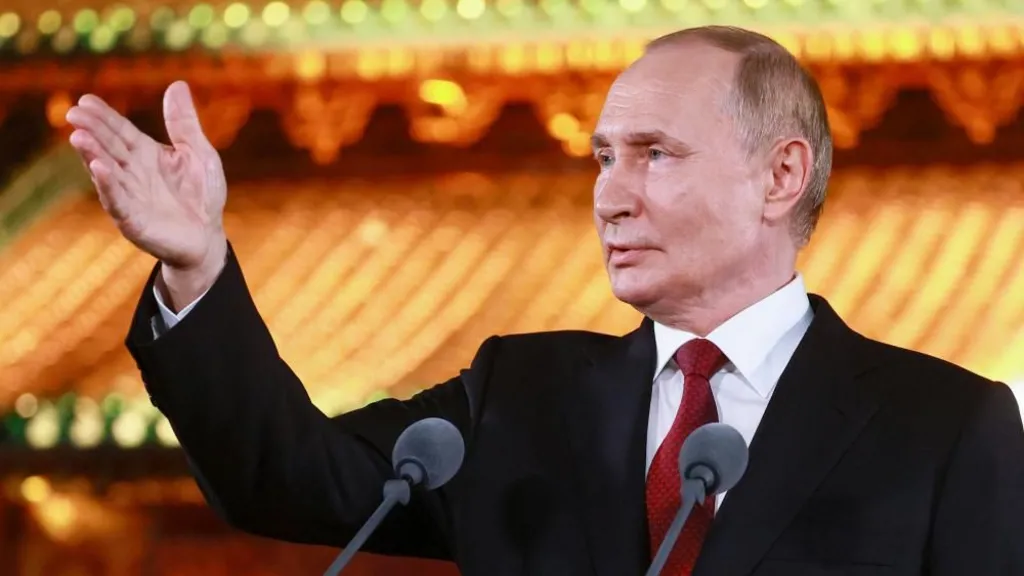
The tension between Russia and the North Atlantic Treaty Organization (NATO) is one of the defining geopolitical struggles of the 21st century. Its roots, however, go back to the end of the Cold War and the collapse of the Soviet Union.
The Seeds of Conflict: NATO's Eastward Expansion
Following the dissolution of the USSR in 1991, a new European security landscape emerged. Russia, the Soviet Union's successor state, was in a period of profound economic and political transition. Meanwhile, former Warsaw Pact countries in Central and Eastern Europe sought security guarantees and integration with the West.
NATO, originally formed as a collective defense alliance against the Soviet Union, began a process of eastward expansion. This was viewed by Western nations as a natural progression for sovereign states choosing their own alliances, but Russia perceived it as a direct threat to its sphere of influence and national security.
- 1999 Expansion: The Czech Republic, Hungary, and Poland joined NATO.
- 2004 Expansion: Bulgaria, Estonia, Latvia, Lithuania, Romania, Slovakia, and Slovenia joined, bringing the alliance directly to Russia's borders.
Key Escalations
2014 Annexation of Crimea
Following the pro-Western Maidan Revolution in Ukraine, which ousted a pro-Russian president, Russia annexed the Crimean Peninsula. This act was condemned internationally and led to the first round of significant sanctions against Russia by NATO members.
2022 Full-Scale Invasion of Ukraine
On February 24, 2022, Russia launched a full-scale invasion of Ukraine, citing NATO's potential expansion into Ukraine as a primary security threat. The invasion triggered the most severe international crisis in Europe since World War II, leading to unprecedented sanctions on Russia and massive military and financial aid to Ukraine from NATO countries.
NATO Membership: As of 2024, NATO comprises 32 member countries, growing from its 12 founding members in 1949.
Military Spending: Russia's military spending has significantly increased, with estimates suggesting it reached over $100 billion in 2023, reflecting the high cost of the war in Ukraine and the ongoing military buildup.
The Global Tariff Wars Explained
Category: Economy
What is a Tariff War?
A tariff war is an economic conflict where countries impose or raise tariffs (taxes on imported goods) on each other in a retaliatory cycle. One country raises tariffs, prompting another to retaliate with its own, leading to an escalation that can disrupt global trade and harm economic growth.
The 2018 Trade Dispute: A Timeline
The most significant recent tariff war began in 2018, primarily between the United States and China.
Tracking the Trump Administration's Tariff Policies
The Trump administration's trade policy was marked by a significant increase in the use of tariffs, largely aimed at reducing trade deficits and encouraging domestic production. Key actions included:
- January 2018: Tariffs on imported washing machines (20-50%) and solar panels (30%), aimed at protecting U.S. manufacturers.
- March 2018: Tariffs of 25% on steel and 10% on aluminum imports from most countries, citing Section 232 of the Trade Expansion Act of 1962 (national security concerns).
- July-September 2018: Implementation of Section 301 tariffs on Chinese goods, escalating through multiple tranches:
- July 6, 2018: 25% tariff on $34 billion worth of Chinese goods.
- August 23, 2018: 25% tariff on an additional $16 billion worth of Chinese goods.
- September 24, 2018: 10% tariff on approximately $200 billion worth of Chinese imports, which was later increased to 25% in May 2019.
- Mid-2019: Threats of tariffs on goods from Mexico and the European Union, though some were later averted or negotiated.
These measures led to retaliatory tariffs from affected countries, particularly China, which imposed tariffs on U.S. agricultural products and other goods.
Economic Fallout & Global Impact
The tit-for-tat tariffs had wide-ranging consequences beyond the U.S. and China.
Scale of Tariffs: The U.S. ultimately imposed tariffs on over $360 billion of Chinese goods, while China retaliated with tariffs on over $110 billion of U.S. products.
Global GDP Impact: The World Bank estimated that the escalating trade tensions could reduce global GDP by up to 0.4% by slowing trade and investment.
The conflict led to a global trade slowdown, increased consumer prices due to inflation, and forced businesses to rethink their global supply chains, often moving production out of China to countries like Vietnam and Mexico.
Global Impact: Security, Economy & Alliances
Category: Geopolitics, Economy
The dual crises of the Russia-NATO conflict and global tariff wars have not occurred in a vacuum. Their effects are interconnected, creating a complex web of global instability.
Security: A New Arms Buildup
The war in Ukraine has led to a significant increase in defense spending among NATO members, many of whom are now meeting or exceeding the 2% of GDP target. This has created a security dilemma, as Russia views this buildup as aggressive, fueling its own military expansion and creating a cycle of militarization in Europe.
Economy: Fractured Global Supply Chains
The tariff wars initiated a trend of "de-risking" and "friend-shoring," where companies moved their supply chains away from geopolitical rivals. The sanctions against Russia have accelerated this, severing major energy and financial ties between Russia and the West. This has contributed to global inflation, particularly in energy and food prices.
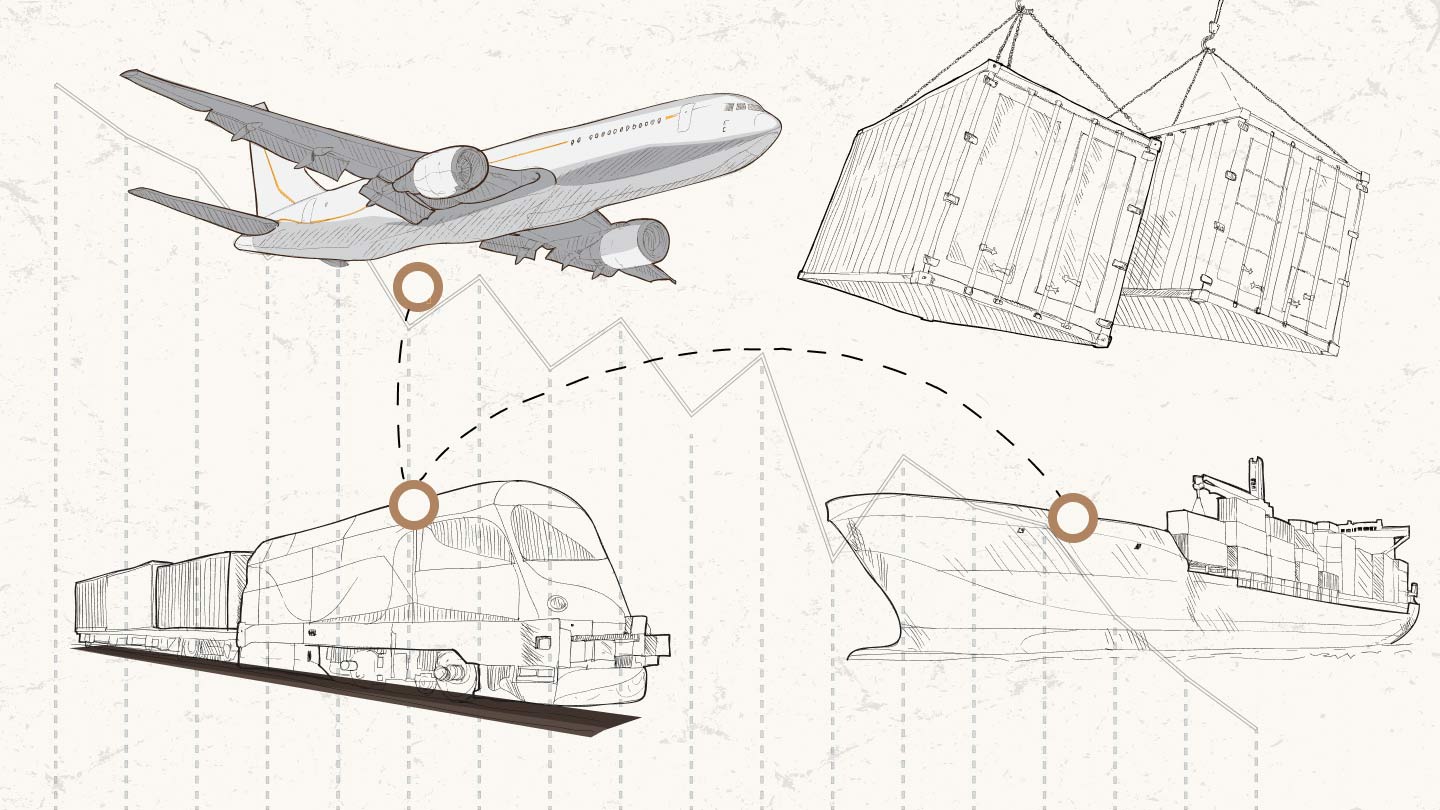
Economic Fragmentation: An infographic from the IMF could show the decline in cross-border investment and trade between geopolitical blocs, illustrating the fracturing of the globalized economy.
Geopolitics: Shifting Alliances
The world is increasingly dividing into geopolitical blocs. While NATO has shown remarkable unity, countries in the "Global South" have often remained neutral. Alliances like BRICS (Brazil, Russia, India, China, South Africa) have gained prominence as an alternative forum to Western-led institutions, signaling a shift towards a more multipolar world order.
Sources & Further Reading
All data and factual claims in these articles are based on information from reputable, publicly available sources. We encourage you to explore them for deeper understanding.